
Common Appliance Problems in Waltham Homes
A dryer that takes two full cycles to dry a load in a Piety Corner basement — with the vent snaking through a low ceiling and out a foundation wall — is one of the most common calls we get. Waltham's mix of older single-family homes, multifamily buildings, and condos means the appliance problems we see are shaped as much by the building as by the machine itself.
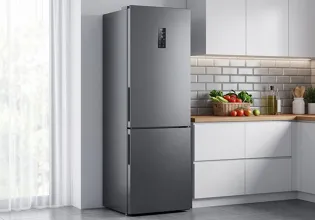
- Refrigerators that stop cooling often trace back to dust-clogged condenser coils, especially in kitchens with limited clearance behind the unit. In older Waltham homes, the fridge may be wedged into an alcove that was never designed for a modern full-size model.
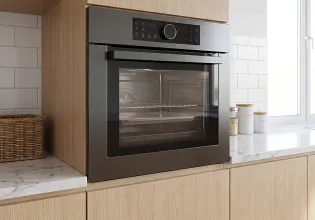
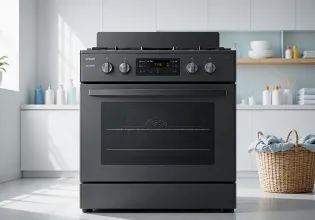
- Gas stoves and ovens that won't ignite or heat unevenly — usually a faulty igniter or a burner valve issue. Worth checking before assuming the whole range needs replacing.
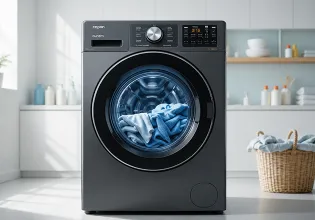
- Washers leaking onto a first-floor ceiling from a second-floor laundry closet. We see this often in multifamily conversions where laundry was added upstairs without much room for a drain pan.
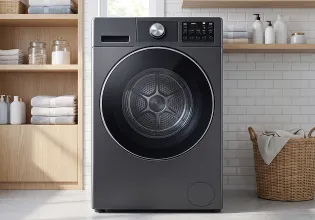
- Dryers that overheat or shut off mid-cycle, frequently caused by lint buildup in a vent run that's longer than it should be.
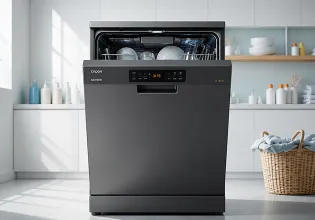
- Dishwashers that leave standing water at the bottom — often a clogged drain hose or a failed pump, sometimes complicated by older plumbing connections under the sink.
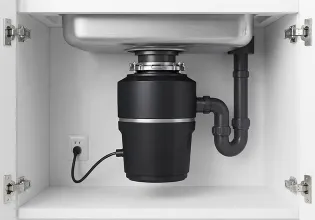
- Garbage disposals that jam or hum without spinning. In many Waltham kitchens, the disposal shares a drain line with the dishwasher, so a blockage in one affects the other.
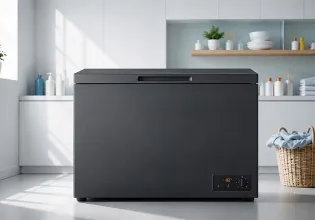
- Freezers building excess frost or warming up. Chest freezers in unheated garages take a beating during Massachusetts winters, and door seals wear out faster than most people expect.
Local Utility, Permit, Safety, and Disposal Factors in Waltham
If a repair turns into a replacement — or if an installation involves new gas, electrical, or plumbing connections — Waltham has specific permit requirements you should know about before any work starts. Waltham Inspectional Services issues gas permits for stove, oven, and gas dryer installations. Electrical permits are required when an appliance needs a new or modified circuit. And if you're adding a dishwasher or garbage disposal that connects to the water supply or drain, a plumbing permit is required too. The installer has to pull these permits — not the homeowner — and the contractor must be licensed. Ask for the permit number before the job wraps up.
Under the Massachusetts State Plumbing and Gas Fitting Code, all gas fitting work must be done by a licensed gas fitter. That's not optional. Unlicensed gas work is a code violation, and it can also void your homeowner's insurance if something goes wrong. If someone offers to hook up a gas range without pulling a permit, that's a red flag.
City of Waltham Inspectional Services
119 School Street
Waltham, MA 02451
Phone: (781) 314-3230
Official Website
On the safety side, Massachusetts law requires carbon monoxide detectors in every residence, and the Waltham Fire Department enforces this locally. They check for CO detector compliance during property sales and rental inspections. If you have a gas stove, oven, or dryer, a malfunctioning appliance can produce carbon monoxide — so a repair that seems minor can actually be a safety issue. Review the Waltham Fire Department fire prevention guidance if you're unsure whether your detectors are current. Dryer lint buildup is also flagged as a leading cause of residential fires. If your dryer is running hot or taking too long, clean the vent before assuming the heating element failed.
Waltham's water comes from the MWRA water and sewer service in Waltham, sourced from the Quabbin and Wachusett reservoirs. The city runs its own local distribution system connected to that regional supply. Water pressure and mineral content can affect how dishwashers clean, how washing machines fill, and whether refrigerator ice maker lines clog over time. If a dishwasher starts leaving residue on glasses or a washer fills slowly, the issue might be a sediment-clogged inlet valve — not a broken machine.
When an appliance truly can't be saved, Waltham doesn't allow you to just drag it to the curb. You need to schedule a pickup through the Waltham bulk item collection program. The DPW accepts large appliances — refrigerators, freezers, washers, dryers — but only for residential accounts served by city trash collection. Freon-containing units like refrigerators and freezers must have the refrigerant removed by a certified technician before the city will collect them. Call DPW at (781) 314-3400 to confirm current procedures before putting anything out.
What Makes Appliance Repair in Waltham Different
Waltham sits close to Boston but runs its own inspectional services department with its own permit process — so the gas permit your contractor pulled in Newton or Watertown doesn't carry over here. Every gas, electrical, and plumbing permit for appliance work has to go through Waltham's office at 119 School Street. That extra step matters when you're trying to get a stove replaced on a tight timeline, because the installer needs to coordinate with the city directly.
The housing stock adds its own wrinkles. A triple-decker near The Flats with a shared basement laundry means the technician may need to work around other tenants' schedules and navigate narrow stairways with parts. A condo in a newer building near Watch City might require coordinating with a property manager for access. And disposing of the old unit means scheduling through the DPW's bulk collection — you can't leave a dead washer on the sidewalk and hope it disappears. The combination of Waltham's permit requirements and its scheduled-pickup disposal model means replacement jobs here take more planning than in towns with simpler rules.
Appliance Replacement and Household Equipment Considerations in Waltham
When a repair no longer makes sense — the compressor is gone on a fifteen-year-old fridge, or the drum bearings on a washer cost more than a new machine — the next steps in Waltham involve more than just ordering a replacement online.
For gas appliances, the installer must pull a gas permit through Waltham Inspectional Services before connecting the new unit. If you're switching from electric to gas (or vice versa), expect additional electrical or plumbing permits depending on what connections change. Ask whoever is doing the install whether they'll handle the permits, and confirm the work will be inspected. Under Massachusetts fire safety code, gas appliance installations must meet venting and clearance standards — the installer should know this, but it's worth asking about, especially in an older kitchen where the cabinetry was built for a different-sized range.
Getting rid of the old appliance requires a scheduled pickup through the city. Check the Waltham recycling and solid waste disposal page for current rules. Refrigerators and freezers need Freon recovery before the DPW will take them — don't skip this step or the unit will sit at the curb uncollected. Waltham also participates in state-supported appliance recycling programs, so it's worth asking whether your old unit qualifies.
Massachusetts Consumer Protection Law Chapter 93A requires that repair and installation companies provide honest estimates and disclose charges upfront. If a company won't give you a written estimate before starting work, you have the right to walk away — and to file a complaint if the charges don't match what was agreed.
City of Waltham Department of Public Works
119 School Street
Waltham, MA 02451
Phone: (781) 314-3400
Official Website
Areas We Serve Throughout Waltham
We handle appliance repair calls across every part of Waltham. Here's what we typically see in each area:
- The Flats — Dense multifamily housing with basement laundry setups and older gas lines. Dryer vent runs through foundation walls are common and often longer than recommended.
- South Side — Older single-family homes where kitchens were built for smaller appliances. Getting a full-size refrigerator through a narrow doorframe sometimes means pulling the doors off the fridge first.
- Watch City — A mix of condos and apartments near the downtown core. Access often involves coordinating with building management, and parking for a service van can be tight on side streets.
- Piety Corner — Established residential area with a lot of mid-century homes. We often see dishwashers connected to original copper supply lines that have started to corrode at the fittings.
- Prospect Hill — Hilly terrain means some homes have basements that are partially below grade, which affects dryer venting and can trap moisture around washers.
- Bleachery — Named for its industrial past, this area has a mix of converted and newer housing. Appliance hookups in converted buildings don't always follow a standard layout.
- Cedarwood — Mostly single-family homes with full basements. Chest freezers and second refrigerators down here are common — and they're the ones that tend to get overlooked until something fails.
- Claypit Hill — Larger homes with updated kitchens, but even newer builds can have refrigerator water line issues if the ice maker connection wasn't done well during construction.
- Cobble Hill — Compact lots with older homes where the gas shutoff valve for the stove might be behind the unit and hard to reach. Worth knowing where it is before a repair visit.
- Lakeview — Proximity to water means slightly higher humidity in some basements, which can accelerate rust on washer cabinets and dryer drums over the years.
- Five Corners — A busy intersection area with multifamily properties. Shared laundry hookups in two- and three-family homes mean one tenant's washer problem can back up water for the whole building.
- Fernway — Quiet residential streets with a mix of housing ages. Gas dryer installations here usually need a permit through Inspectional Services — check before the installer shows up.